
November 25, 2026
Rooftop solar panels are a wonderful way to make clean electricity at home, yet they only produce power while the sun is shining. Without a way to save extra daytime electricity, much of that free energy flows back to the utility grid while your house sits empty at noon. A Tesla Powerwall solves this everyday problem by acting like a giant, smart rechargeable battery mounted right on your wall. Pairing home solar panels with a Tesla Powerwall installation lets you capture afternoon sunshine and use it to run your lights, refrigerator, and air conditioner all night long.
Beyond keeping the lights on after sunset, home battery storage protects your family when severe storms knock out neighborhood power lines. Instead of sitting in the dark or listening to a noisy gas generator, your home switches smoothly to stored battery power in a split second. Homeowners across the country are discovering how much control, comfort, and savings a modern battery system brings to daily life. Let us walk through how this clever technology works in plain, everyday terms so you can decide if it fits your home.
Understanding the Tesla Powerwall Basics
At its core, a Tesla Powerwall is a sleek, compact battery box that stores electricity from your solar panels or the utility grid for later use. Each unit holds 13.5 kilowatt-hours of energy, which is enough electricity to keep essential appliances like your fridge, Wi-Fi router, lights, and outlets running through the night. Built with durable lithium-ion battery cells, the unit charges and discharges quickly without losing much energy along the way. It also runs quietly and includes built-in temperature control so it works smoothly in hot summers and chilly winters.
What makes this battery truly special is the smart software working behind the scenes around the clock. The system tracks how much electricity your panels make, how much power your family uses, and what the local weather forecast looks like. When you invest in a Tesla Powerwall installation, you also get an easy mobile app that lets you watch your home energy flow in real time from your phone. If a big storm is heading toward your town, the system automatically fills the battery to capacity so your household stays ready.
Capturing Sunlight With Solar Panels
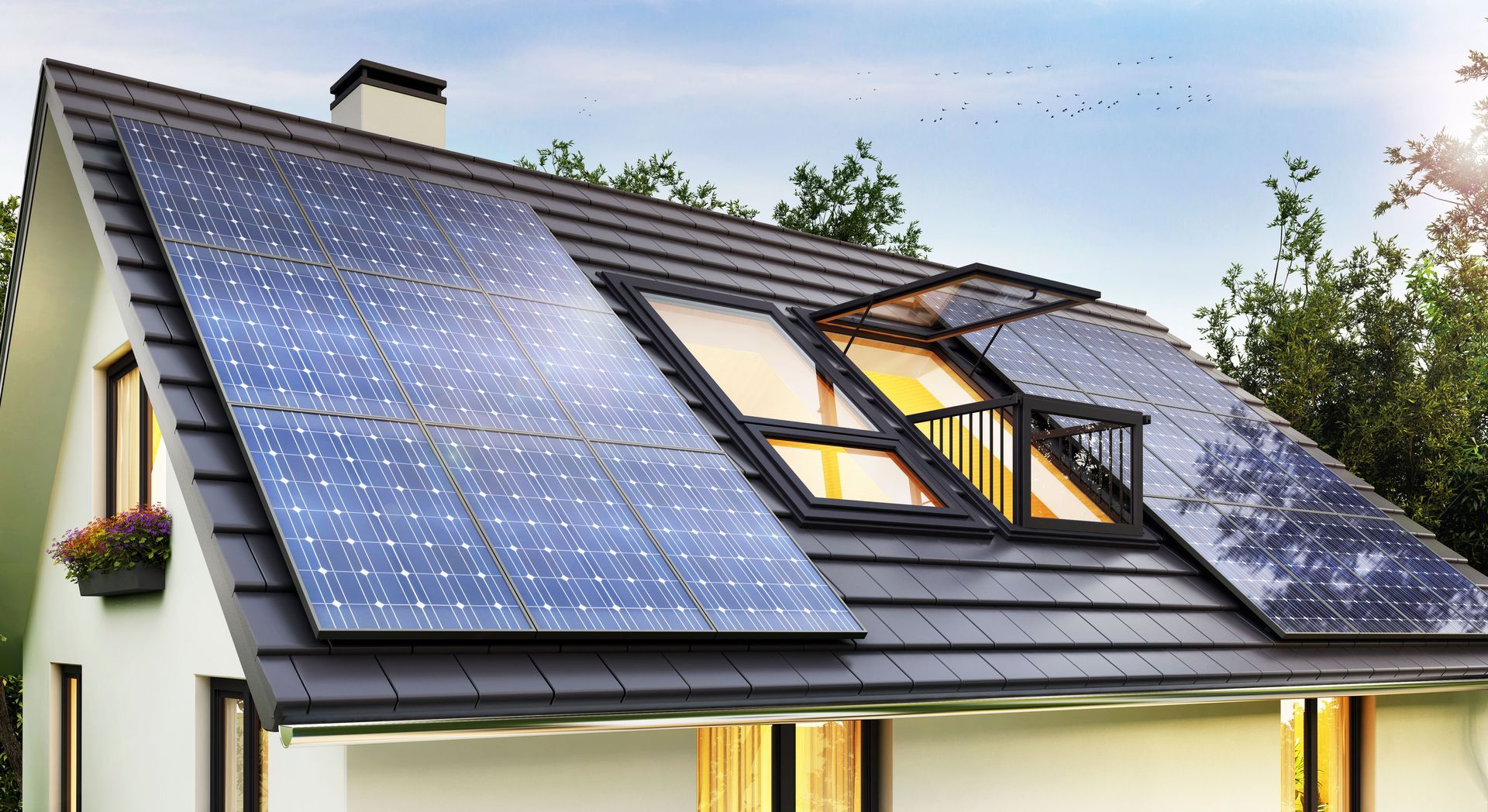
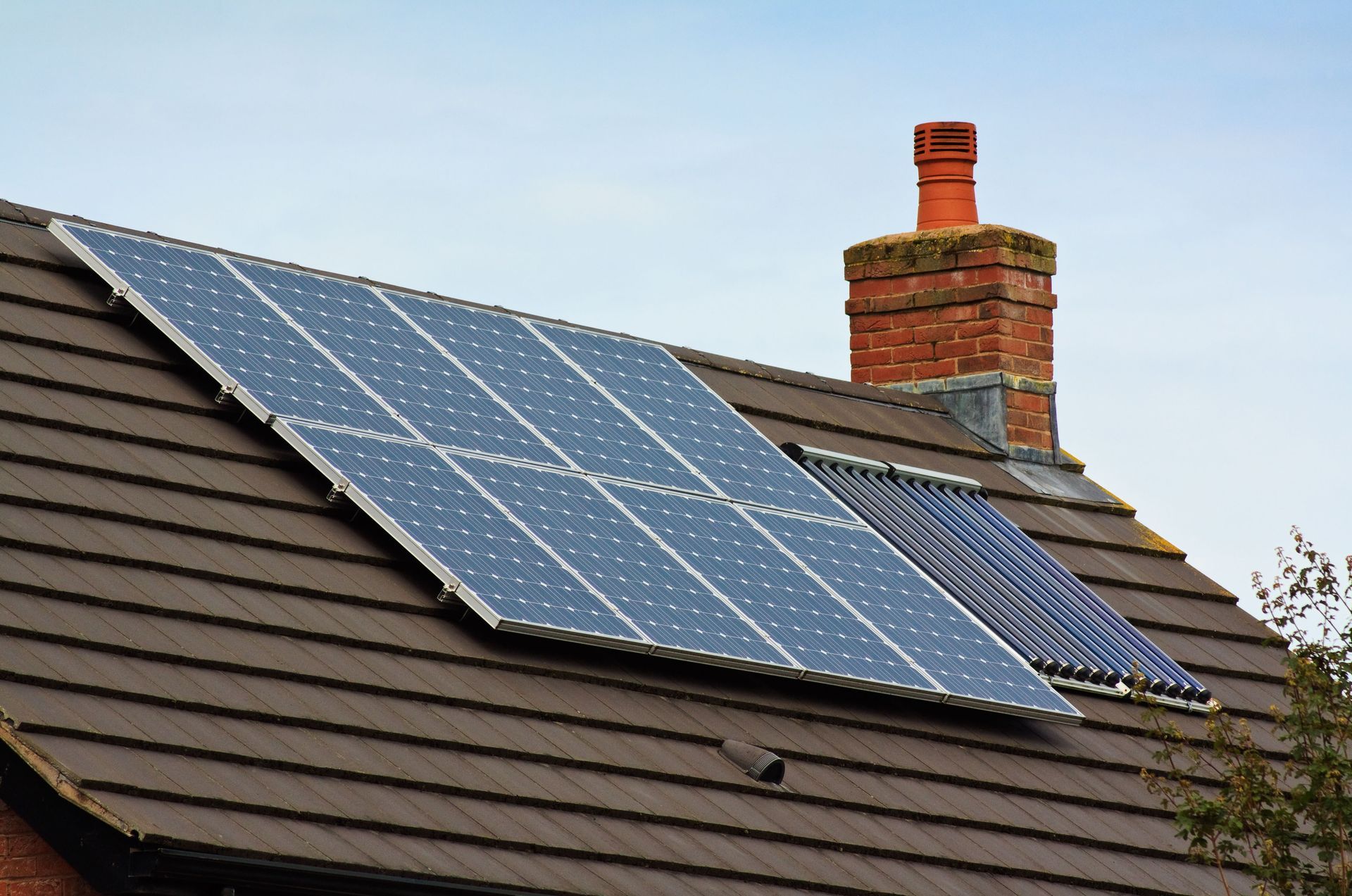
To understand how the battery maximizes your setup, it helps to look at how rooftop solar panels create power in the first place. Solar panels contain special cells that absorb sunlight and turn it into direct current electricity throughout the day. Because household appliances run on alternating current electricity, an inverter converts that raw solar power into usable home electricity. Solar adoption has grown rapidly as more families look to lower their monthly bills and shrink their carbon footprint. According to the Solar Energy Industries Association, there is enough solar installed in the United States to power roughly 50 million households.
Solar panels make the most electricity during peak sun hours, which usually happen for four to six hours around midday when the sun sits highest in the sky. During those bright afternoon hours, your roof often produces far more electricity than your home can use at that exact moment. Rather than letting that extra daytime power go to waste, a Tesla Powerwall installation routes the surplus electricity straight into your wall battery. That way, every sunny afternoon fills up your personal energy reserve for later use.
Storing Energy Inside Lithium Batteries
Inside every Powerwall sits a bank of advanced lithium-ion batteries similar to the technology used in modern electric vehicles. Lithium-ion batteries pack a large amount of energy into a slim frame that mounts neatly inside a garage or along an exterior wall. Unlike older lead-acid batteries that take up huge floor space and wear out quickly, lithium-ion units charge rapidly and last for many years. Built-in safety sensors constantly monitor battery temperature and voltage to prevent overheating or overcharging.
Every day, your battery moves through smooth charging and discharging cycles without you ever needing to flip a switch. In the morning and afternoon, sunlight charges the battery while also running your daytime appliances. Once the sun goes down and solar production stops, the battery automatically discharges stored power to keep your home running comfortably. A professional Tesla Powerwall installation connects this battery bank seamlessly to your electrical panel so the handoff between solar power, battery storage, and the utility grid feels completely invisible.
Planning Your Home Battery Setup
Good news for homeowners who already have rooftop panels is that the Tesla Powerwall works smoothly with almost any existing solar setup. Whether your panels were installed last year or five years ago, technicians can complete a Tesla Powerwall installation without tearing down your current roof equipment. For larger homes with high energy needs, such as families running electric vehicle chargers or pool pumps, you can even connect multiple Powerwall units together. Stacking two or three units multiplies your storage capacity and keeps larger appliances running during extended outages.
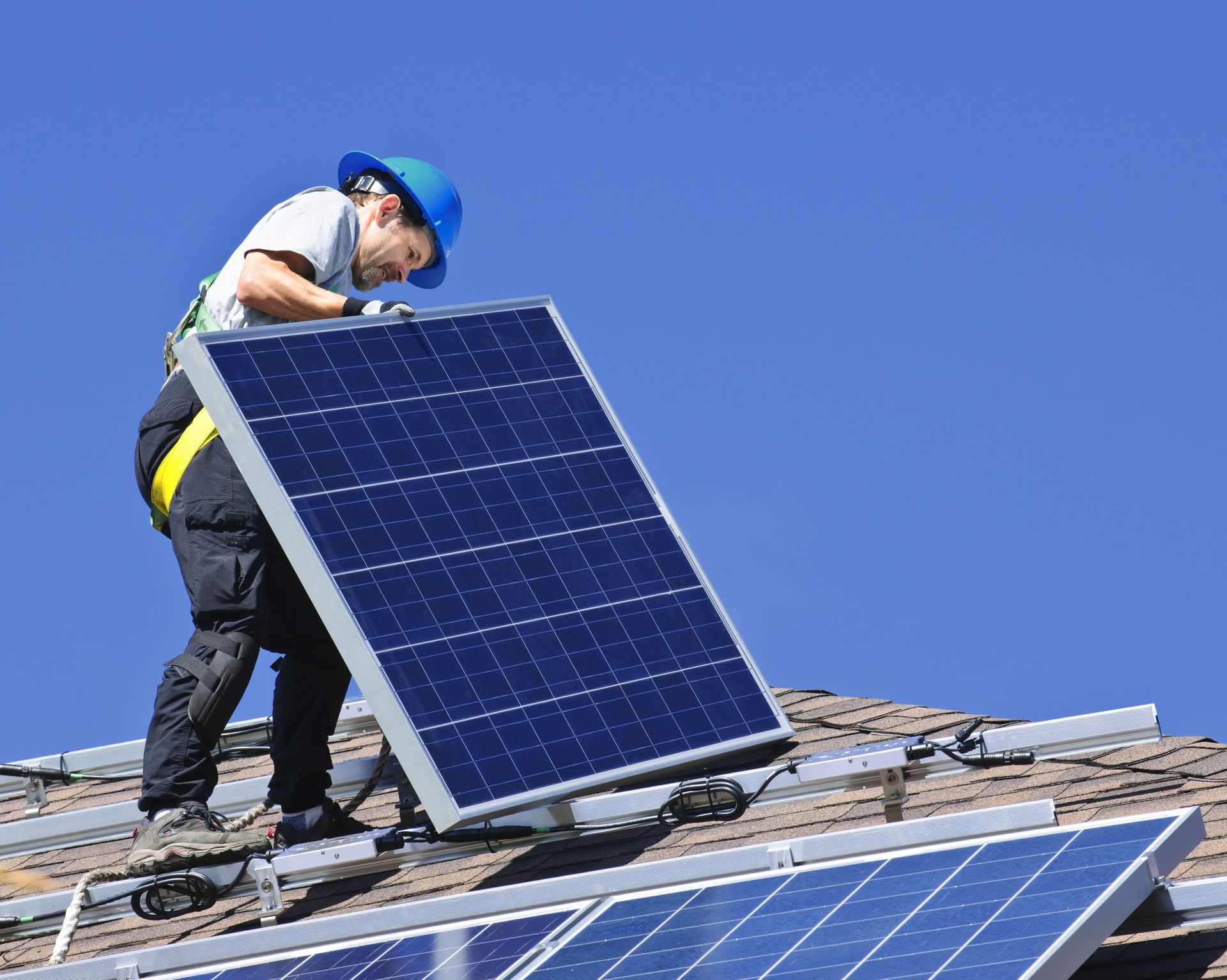
Setting up a home battery system takes careful planning by licensed electrical professionals to ensure everything runs safely and passes local inspections. Installers first check your main electrical panel, choose a cool, well-ventilated mounting spot, and map out clean wiring paths. Most projects take just one to three days to mount the hardware, connect the inverter, and configure the smartphone controls. Scheduling a certified Tesla Powerwall installation guarantees your system meets strict safety codes and qualifies for full manufacturer warranty protection.
Managing Daily Power and Backup
One of the biggest financial perks of home battery storage is avoiding expensive peak utility rates. Many electric companies charge much higher prices for electricity in the late afternoon and evening when everyone comes home and turns on lights, ovens, and televisions. With a smart battery system, you can program your home to run on free stored solar power during those pricey evening hours. Planning a Tesla Powerwall installation around time-of-use utility rates helps slash your monthly electric bill month after month.
Backup protection during unexpected blackouts gives families even greater peace of mind throughout the year. When neighborhood power lines go down during a thunderstorm or heatwave, your Powerwall detects the outage immediately and disconnects from the utility grid to keep utility workers safe. Within fractions of a second, your stored battery power takes over so your refrigerator stays cold and your family stays connected. As long as the sun shines the next day, your solar panels keep recharging the battery even while the rest of the street remains dark.
Maximizing Your Long-Term Solar Value
Combining rooftop solar panels with smart battery storage turns your house into a self-reliant, clean energy powerhouse. Instead of paying rising utility rates year after year, you capture, store, and use your own sunshine on your own schedule. Easy smartphone tracking also helps your family spot energy-wasting habits and run heavy appliances like dishwashers or laundry machines when solar production peaks. Choosing a Tesla Powerwall installation unlocks the full value of your solar investment while cutting your household's reliance on fossil fuels.
If you are ready to get more out of your solar panels and keep your home powered through any outage, working with experienced local specialists makes all the difference. From checking your current roof equipment to designing a custom battery setup that fits your budget, helpful guidance keeps the process simple. Reach out to Remove and Replace Solar today to explore your battery storage options and schedule a personalized consultation for your home.