
October 22, 2026
Understanding what to expect during a solar panel removal and reinstall is essential for homeowners and businesses considering this process. Whether preparing for roof repairs, upgrading equipment, or making structural improvements, knowing the necessary steps helps ensure a smooth transition. Proper planning protects existing equipment, minimizes disruptions, and supports long-term energy efficiency. From initial consultations to final inspections, every stage requires careful coordination and professional expertise. Understanding these procedures allows property owners to make informed decisions while protecting their renewable energy investments.
Understanding the Reasons for Solar Panel Removal
Several circumstances may require temporarily removing solar panels from a property. Roof repairs and replacements are among the most common reasons, particularly when aging roofing materials need attention. Structural renovations, equipment upgrades, and changes to building layouts may also require temporary removal. Addressing these situations promptly helps prevent damage to roofing materials and solar equipment.
Professional consultations help determine whether removal is necessary and identify potential alternatives. Experienced technicians evaluate system conditions, roofing requirements, and electrical components before recommending appropriate solutions. A comprehensive assessment also helps property owners understand potential expenses, scheduling requirements, and safety considerations. Planning ahead reduces unexpected complications and establishes realistic expectations for the project.
Evaluating Project Costs and Scheduling Requirements
The cost of solar panel removal and reinstall services depends on several factors, including system size, roof accessibility, equipment condition, and labor requirements. Larger installations generally require additional time and specialized handling. Roof repairs, replacement mounting hardware, and electrical modifications may also influence overall expenses.
Requesting detailed estimates allows property owners to compare services and understand what is included. Estimates should address equipment removal, temporary storage, reinstallation, electrical testing, and any necessary inspections. Reviewing warranty conditions beforehand is equally important because certain procedures may affect existing coverage.
Project timelines vary depending on roofing work, weather conditions, permit requirements, and contractor availability. Coordinating schedules between roofing professionals and solar technicians helps minimize downtime. Establishing clear expectations early supports efficient project management and prevents unnecessary delays.
Conducting Initial Assessments and Site Inspections
A comprehensive site inspection establishes the foundation for a successful project. Technicians examine solar panels, mounting structures, electrical connections, and roofing conditions to identify potential concerns. Existing equipment damage, loose connections, and structural weaknesses should be documented before work begins.
Understanding system specifications is equally important because different manufacturers use unique mounting arrangements and electrical configurations. According to the Solar Energy Industries Association, the United States surpassed 6 million solar installations in 2026, just two years after reaching 5 million installations. This growing adoption emphasizes the importance of qualified professionals who understand different solar technologies and installation requirements.
During the assessment, technicians may document panel positions, photograph electrical connections, and review original installation records. These preparations help ensure components return to their intended locations. Accurate documentation also simplifies troubleshooting and supports consistent system performance following reinstallation.
Preparing Permits and Coordinating Professional Services
Before beginning a solar panel removal and reinstall project, property owners should determine whether permits or additional approvals are necessary. Requirements vary by jurisdiction and depend on the scope of electrical, structural, or roofing modifications. Experienced contractors can help identify applicable regulations and coordinate required documentation.
Communication between roofing contractors, solar technicians, and property owners is essential throughout the process. Establishing responsibilities prevents scheduling conflicts and ensures that each phase is completed in the correct sequence. Contractors should also discuss equipment access, temporary storage arrangements, and anticipated interruptions to electricity production.
Safety planning is another important consideration. Solar installations contain electrical components that require specialized handling, even when normal power production has been interrupted. Qualified technicians follow appropriate isolation and verification procedures to reduce electrical hazards. Careful preparation protects workers, occupants, and equipment while supporting regulatory compliance.
Safely Disconnecting and Removing Solar Panels
The physical removal process begins with qualified technicians safely isolating the solar installation according to manufacturer instructions and applicable electrical requirements. Proper procedures reduce the possibility of electrical shocks, equipment damage, and unexpected system operation. Solar modules can produce electricity when exposed to sunlight, making professional handling particularly important.
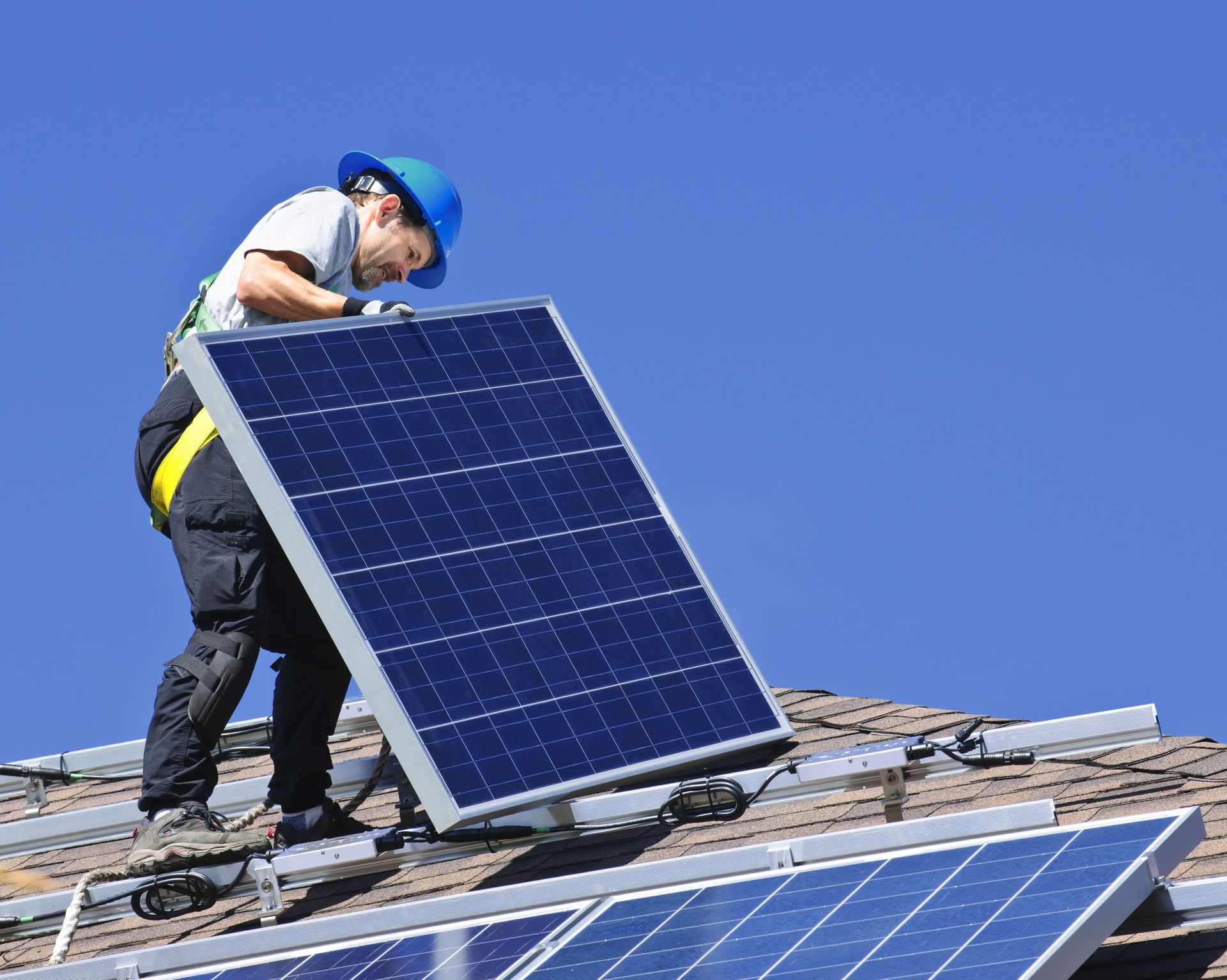
Once appropriate safety measures are established, technicians carefully disconnect electrical components and remove mounting hardware. Each panel is handled using suitable tools and techniques to prevent cracked glass, damaged frames, or compromised connections. Components may be labeled to simplify accurate reassembly.
Temporary storage is another essential part of solar panel removal and reinstall services. Panels should be protected from impacts, excessive moisture, and unnecessary exposure to damaging conditions. Secure storage arrangements help preserve equipment integrity while roofing repairs or structural improvements are completed.
Inspecting and Repairing the Roof Before Reinstallation
Removing solar equipment creates an opportunity to examine roofing materials that were previously difficult to access. Roofing professionals can inspect shingles, flashing, structural supports, and attachment locations for signs of deterioration. Identifying moisture intrusion, weakened materials, or damaged surfaces before reinstallation helps prevent recurring problems.
Necessary repairs should be completed before mounting equipment returns to the roof. Replacing worn roofing materials, correcting drainage concerns, and addressing structural deficiencies can improve long-term reliability. Contractors should also evaluate whether existing mounting locations remain suitable for the repaired or replaced roof.
Coordinating roof improvements with solar equipment installation reduces the likelihood of repeated disruptions. Properly completed repairs protect the building while providing a dependable foundation for continued renewable energy production. Property owners should confirm that roofing work meets applicable standards before authorizing the next project phase.
Planning the Solar Panel Reinstallation Layout
After roofing work is completed, technicians reassess the installation area to confirm that conditions support safe equipment placement. Changes to roofing materials, structural configurations, or available space may require adjustments to the original layout. Careful evaluation helps maintain appropriate panel positioning and accessibility.
During a solar panel removal and reinstall project, professionals should review mounting requirements, shading conditions, and equipment compatibility. Panel orientation and tilt influence energy production, making accurate placement important for maintaining performance. Any proposed modifications should account for manufacturer specifications, roof limitations, and applicable electrical requirements.
Technicians also inspect mounting hardware and determine whether components can be reused safely. Damaged or incompatible materials should be replaced with appropriate alternatives. Thorough layout planning supports structural stability, efficient operation, and reliable long-term performance.
Reinstalling Mounting Hardware and Electrical Components
Reinstallation begins with securing mounting systems according to approved specifications. Properly installed racks and attachments provide structural support while helping protect the roof against moisture intrusion. Technicians verify attachment locations, fastening requirements, and weatherproofing details before positioning solar modules.
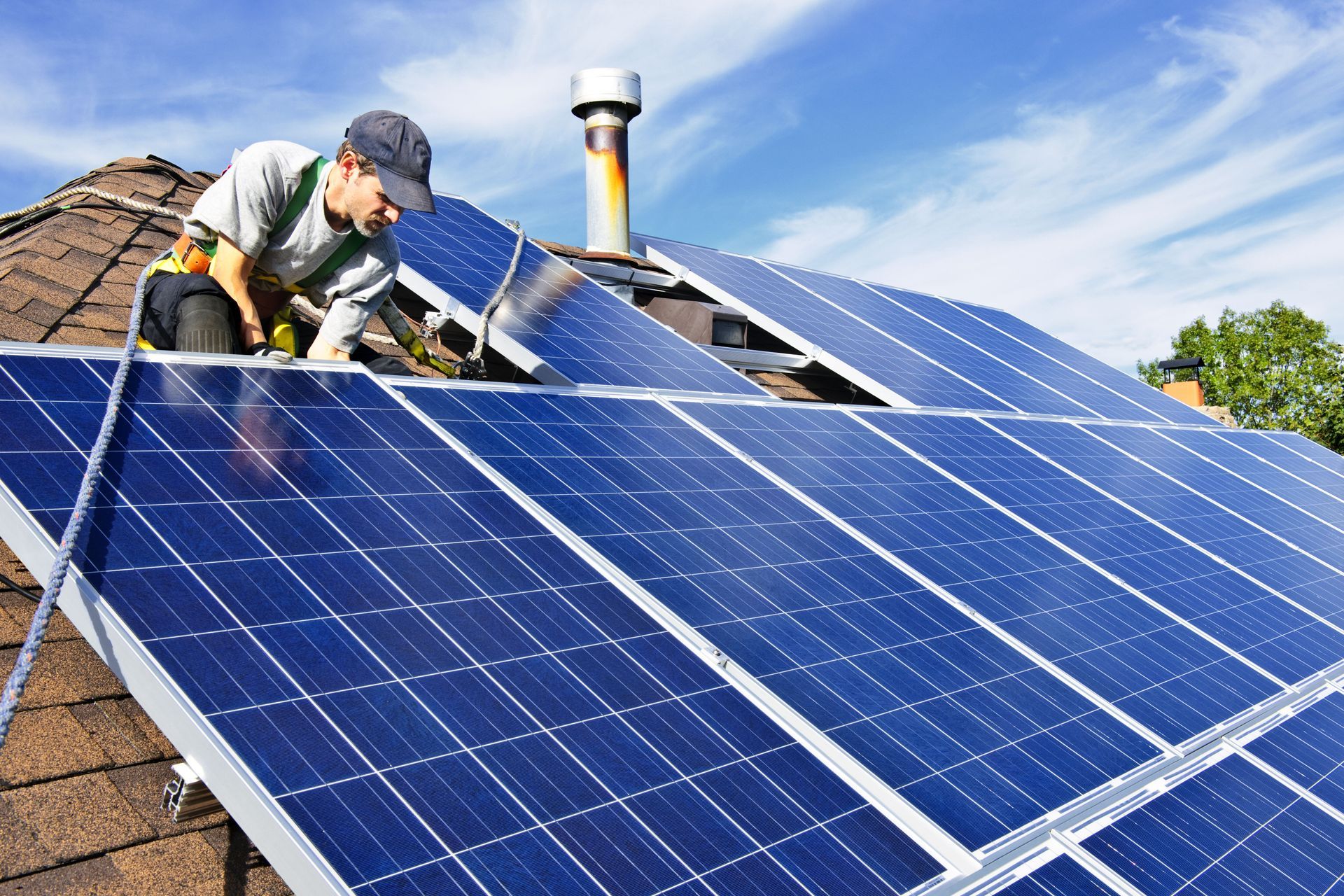
Panels are then carefully returned to their designated locations and secured to the mounting framework. Correct alignment and fastening help prevent movement, unnecessary stress, and potential weather-related damage. Technicians should inspect each component during installation to identify visible defects or connection problems.
Qualified professionals subsequently reconnect electrical wiring, grounding and bonding components, and associated equipment. Following manufacturer instructions and applicable codes is essential for maintaining safety. A professionally managed solar panel removal and reinstall process also includes checking that all connections are secure and compatible with the existing system configuration.
Successfully completing a solar panel removal and reinstall requires careful planning, professional coordination, and attention to safety throughout every stage. From initial inspections and roofing repairs to equipment reinstallation and performance testing, each step contributes to the system's continued reliability. Working with experienced professionals helps minimize disruptions, protect valuable equipment, and maintain efficient renewable energy production. With appropriate aftercare and routine inspections, property owners can continue enjoying the financial and environmental benefits of their solar installations for years to come.