September 28, 2026
As the world increasingly shifts towards renewable energy, solar power has become a vital resource for many homeowners. The adoption of solar panels is driven by substantial long-term savings and a reduced carbon footprint. However, there are situations where reinstallation of solar panels becomes necessary, despite their robust and lasting nature. Understanding the common reasons prompting this requirement can empower homeowners to plan adequately and maintain optimal energy efficiency. This article explores these reasons in detail, offering insights into how homeowners can navigate the complexities of solar panel reinstallation effectively.
1. Roof Repairs or Replacements
1.1 Assessing Roof Condition Before Initial Installation
Before installing solar panels, it's crucial to evaluate the roof's current condition. A thorough inspection can identify any signs of wear or structural issues that may necessitate early replacement. Installing solar panels on a compromised roof could lead to costly reinstallation soon after. Ideally, roofs should be inspected by professionals to certify their suitability for supporting panels. Considering that south-facing roofs with a slope of 15 to 40 degrees are ideal for solar panels, ensuring structural soundness beforehand is imperative for long-term success.
1.2 Impacts of Roof Damage on Solar Panels
Even with sound initial installation, roofs are susceptible to environmental and physical damages. Weather conditions, such as heavy storms and winds, can deteriorate roofing materials, impacting the stability of mounted solar panels. As roofs age, natural wear can also reduce their capacity to support the additional load of solar installations. When roof damage occurs, solar panels typically require removal to perform necessary repairs safely. Therefore, homeowners must remain vigilant about their roof's maintenance to prevent potential damage from affecting their solar investment.
1.3 Necessary Steps for Safe Removal and Reinstallation
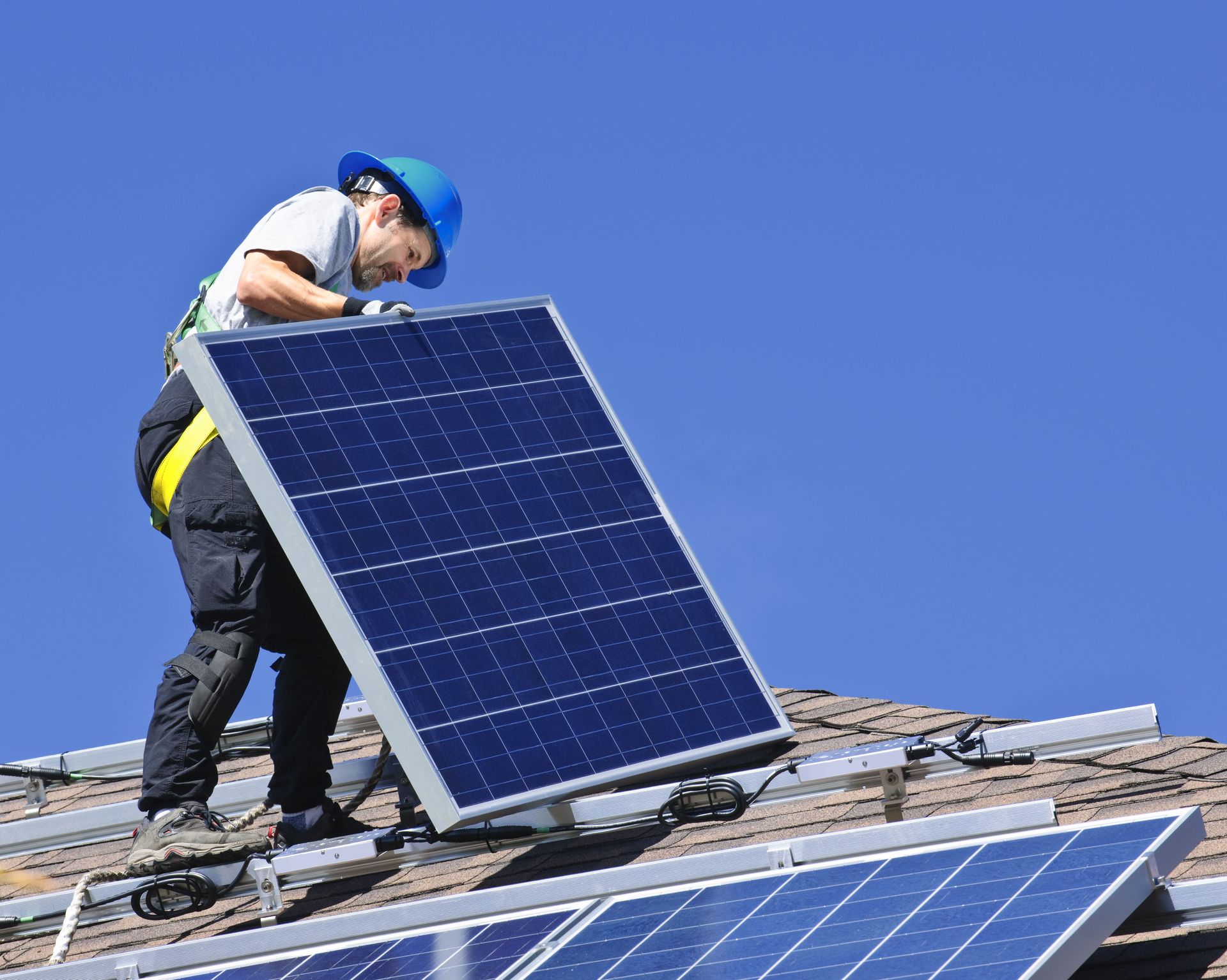
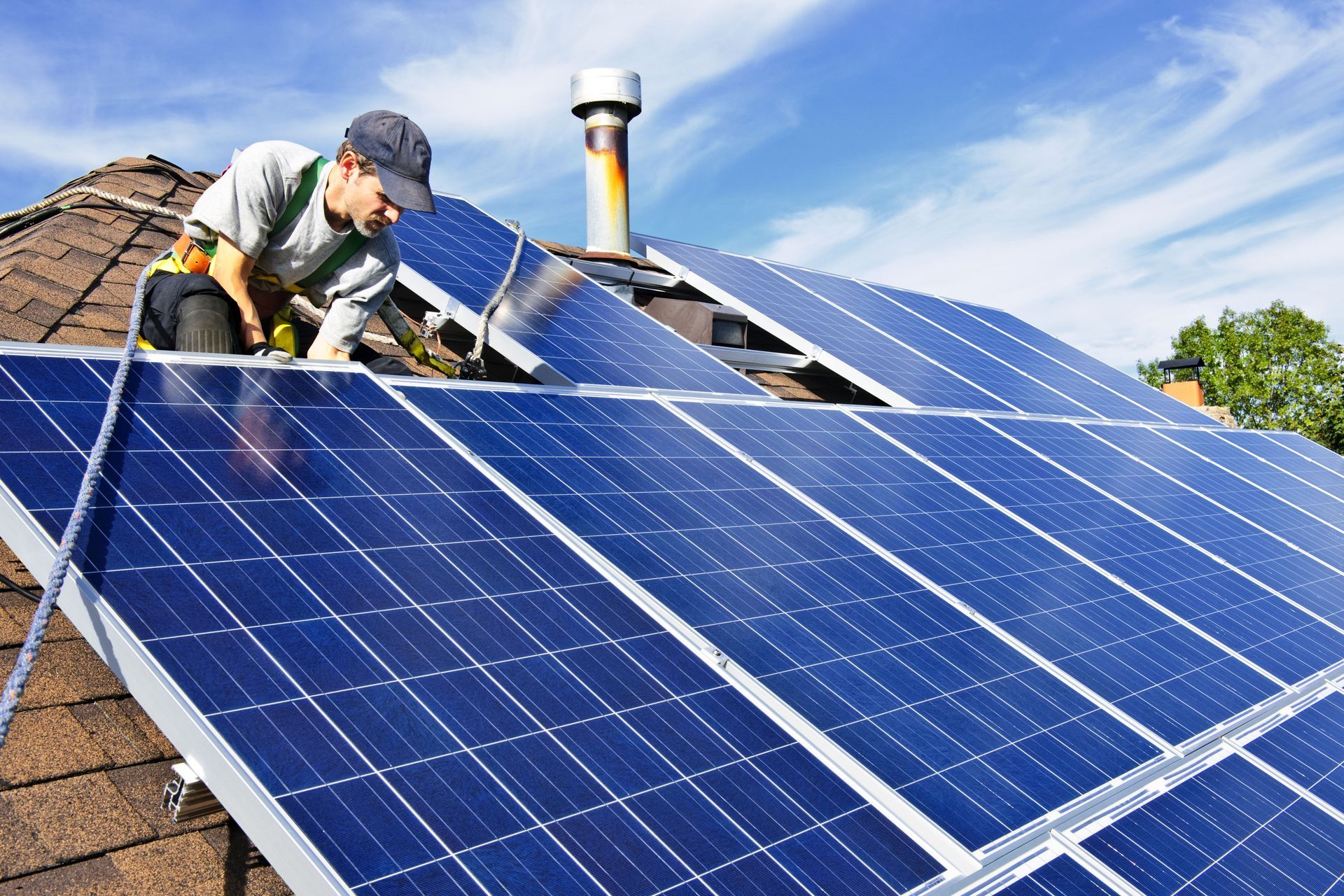
When roof repairs are essential, safe removal of solar panels is the first critical step. Professional technicians ensure the disconnection of electrical components and the physical detachment of panels without causing damage. It’s paramount to carefully label and store all parts and wiring during this process. Following roof repairs, reinstallation requires precise alignment and secure mounting to restore energy function effectively. Coordinating between roofing and solar contractors ensures the reinstallation process is executed smoothly and safely.
1.4 Costs Involved in Roofing and Solar Panel Reinstallation
The costs associated with reinstallation can vary depending on several factors, including the scale of the roof repair and the complexity of the solar setup. Homeowners should anticipate charges related to the temporary removal, safe storage, and eventual reinstallation of panels. When budgeting for roof repairs, including possible reinstallation costs can prevent financial surprises. Many service providers offer package deals for roofing projects that involve solar panels. Obtaining multiple quotes can ensure competitive pricing and high-quality service.
2. Upgrading or Expanding Solar Capacity
2.1 Technological Advances in Solar Equipment
Solar technology is advancing rapidly, enhancing efficiency and integration with residential energy systems. Innovations include improved photovoltaic cell efficiency, micro-inverters, and smart panel integration with energy management systems. Many homeowners decide to upgrade their systems to take advantage of these innovations and improve energy output. Upgrading can often involve the removal of outdated equipment and installing the latest models. This process not only boosts energy efficiency but also adds value to the home thanks to modernized technology.
2.2 Assessing Current Energy Needs vs. System Capacity
When considering upgrades, assessing the gap between current energy needs and system capacity is essential. Homeowners' energy consumption patterns can shift over time, influenced by changes in household size, appliance usage, and lifestyle adaptations. Implementing an energy audit allows homeowners to quantify their energy demands accurately. This information guides decisions on whether additional panels or upgraded technology can bridge energy supply gaps effectively. Such assessments ensure that system enhancements align with actual energy needs, optimizing returns on solar investments.
2.3 Procedures for Expanding Panel Arrays
To increase solar capacity, procedures for expanding panel arrays are becoming more streamlined. Homeowners often begin with an initial installation and, as needs grow, add more panels to accommodate increased energy demands. The expansion may necessitate the reconfiguration of the current setup, including additional inverters or structural supports. Proper planning and consultation with solar professionals can ensure compatibility between old and new components. These measures are vital for achieving the intended energy efficiency without compromising system integrity.
2.4 Financial Incentives for Upgrading Systems
Upgrading solar systems can be financially incentivized through various government and private programs. Incentives often include tax credits, rebates, or grants designed to reduce the upfront cost of purchasing updated solar technology. Homeowners are encouraged to explore federal, state, and local programs offering such financial assistance. Additionally, solar companies may provide financing options to facilitate the upgrading process. By taking advantage of these incentives, homeowners can significantly enhance system performance while reducing overall costs.
3. Moving to a New Property
3.1 Criteria for Transporting Solar Equipment
When moving to a new property, many homeowners face the decision of whether to transport their existing solar equipment. Several criteria influence this decision, including the age and condition of the current system, the suitability of the new location, and comparative costs. South-facing roofs with a slope of 15 to 40 degrees are ideal for solar panels, and the new property's configuration will impact the decision to relocate existing panels. In addition, logistical considerations, such as the ability to safely transport and reinstall components, must be evaluated. Homeowners should weigh these factors carefully to make an informed decision that aligns with their long-term energy goals.
3.2 Reinstallation Considerations in New Homes
The reinstallation process in a new home requires careful planning and execution. Factors to address include compatibility with the new roof type and securing necessary permissions and inspections. Conducting a site assessment with a solar professional can ensure optimal system placement and functionality. Reinstallation should adhere to manufacturer specifications to preserve warranty coverage and performance. Working with experienced installers can make this transition seamless, restoring solar energy capabilities with minimal disruption.
3.3 Legal and Regulatory Concerns in New Locations
Moving solar equipment involves navigating a range of legal and regulatory concerns in the new location. Local building codes, zoning restrictions, and homeowners association rules can all affect the feasibility of reinstallation. Understanding these regulations is critical to avoid potential fines or future complications. Moreover, compliance with national standards and securing appropriate permits is necessary to proceed with the installation legally. Homeowners should research these requirements thoroughly or enlist professional help to ensure that all legal obligations are met.
3.4 Cost Analysis: Moving Panels vs. New Installations
Cost analysis is pivotal when considering relocating existing solar panels or opting for new installations. Relocating can be cost-effective if the equipment is relatively new and in excellent condition, avoiding the initial outlay for new systems. However, labor costs for safe removal, transport, and reinstallation can be significant. In contrast, new installations often come with warranties and the latest technological advancements. A comprehensive cost analysis helps determine which option provides the best balance of cost and long-term value.
In summary, multiple factors can necessitate the reinstallation of solar panels, from roof repairs and expansions to relocation and system malfunction. Each scenario brings unique challenges that require informed and strategic approaches to protect and optimize solar investments. By understanding these reasons and the associated processes, homeowners can proactively manage and resolve solar panel reinstallation needs. Engaging with qualified professionals and leveraging available incentives ensures a seamless transition towards renewed system efficiency and potential cost savings. As the solar industry continues to evolve, staying informed and prepared remains essential for maximizing the benefits and longevity of solar technology. According to the U.S. Department of Energy, south-facing roofs with a slope of 15 to 40 degrees are ideal for solar panels. Be sure to reach out to Remove and Replace Solar for more information on our professional solar panel reinstallation!