June 29, 2026
Solar energy is more popular than ever, yet many homeowners still hesitate to make the switch. Utility rates continue to climb, straining household budgets. You might look at your roof and wonder if the investment makes sense for your family. Making the leap to renewable energy feels like a huge decision, and having accurate information is the only way to proceed. Unfortunately, misinformation spreads easily. People hear rumors from neighbors or read outdated articles online, leading them to abandon their plans. Today, we're going to clear up some of the confusion surrounding solar panels for homes.
The technology behind these systems has advanced at an incredible pace over the last decade. Panels are more efficient, installation methods are more secure, and financing options are more flexible than they were in the past. Even with these advancements, myths persist. We want to help you separate fact from fiction. We will explore the financial benefits, equipment durability, and everyday realities of generating electricity. By tackling the most widespread misconceptions, you can make an informed choice about your energy future. Let's dive right into the four common myths holding homeowners back.
1. Solar Panels Don't Work on Cloudy or Cold Days
A very common reason people delay their transition to renewable energy is the weather. Homeowners in northern climates or areas with frequent rain often assume they lack the sunshine necessary to generate power. It's easy to think that if you can't feel the heat of the sun, your system isn't working. However, this is a fundamental misunderstanding of how the technology operates. Photovoltaic cells capture light, not heat.
In fact, cold temperatures actually improve efficiency. Electronics function efficiently when they stay cool, and photovoltaic systems are no exception. Think about how your smartphone performs better when it isn't overheating. The same principle applies here. During a crisp winter morning with clear skies, your system can produce a significant amount of energy. Even when clouds roll in, modern systems continue to generate electricity. While production drops compared to a perfectly clear summer day, diffuse sunlight still reaches the roof and gets converted into usable power.
Consider countries like Germany or regions like the Pacific Northwest. These areas experience plenty of rain and cloud cover, yet they lead the world in renewable energy adoption. If you live in a cloudy region, you might just need a slightly larger system or a highly efficient solar panel for homes to meet your daily energy needs. Don't let a few clouds keep you from exploring your options.
2. Going Solar Is Too Expensive for My Budget
The initial price tag associated with renewable energy often causes sticker shock. Many people still operate under the assumption that only the wealthy can afford to generate their own power. It's true that purchasing a system outright requires a significant upfront investment. Today, the financial landscape looks completely different. The cost of manufacturing and installing these systems has plummeted by more than 70 percent over the past decade.
Beyond the drop in equipment costs, numerous financial incentives exist to lighten the load. The federal government offers a substantial tax credit that reduces the total cost of your system. Many state and local governments also provide rebates, tax exemptions, and performance incentives. When you factor in these discounts, the final price becomes much more manageable for the average homeowner.
Furthermore, you don't have to pay cash upfront to start saving on your electric bill. Numerous financing options allow you to install solar panels for homes with zero dollars down. Solar loans, leases, and power purchase agreements offer flexible ways to adopt the technology. In many cases, your new monthly loan payment ends up being lower than your old utility bill, putting money back into your pocket from day one.
3. Installing Solar Panels Will Damage My Roof
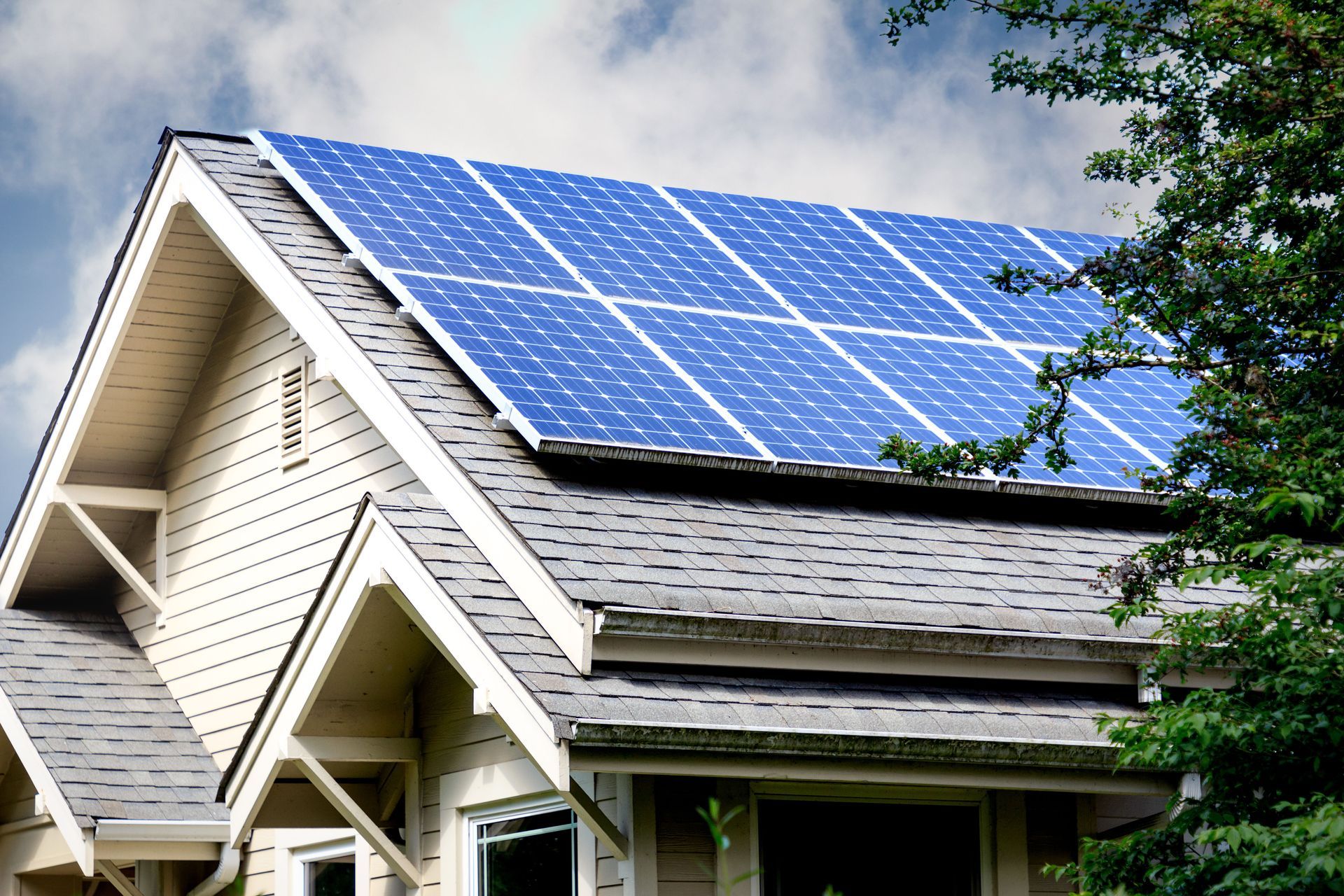
Your home is a major investment, so it makes sense to worry about drilling holes into your shingles. Many homeowners naturally fear that adding heavy equipment will lead to leaks, structural problems, and costly repairs down the line. Thankfully, professional installers take extreme precautions to ensure your roof remains watertight and secure for decades to come, protecting your property entirely.
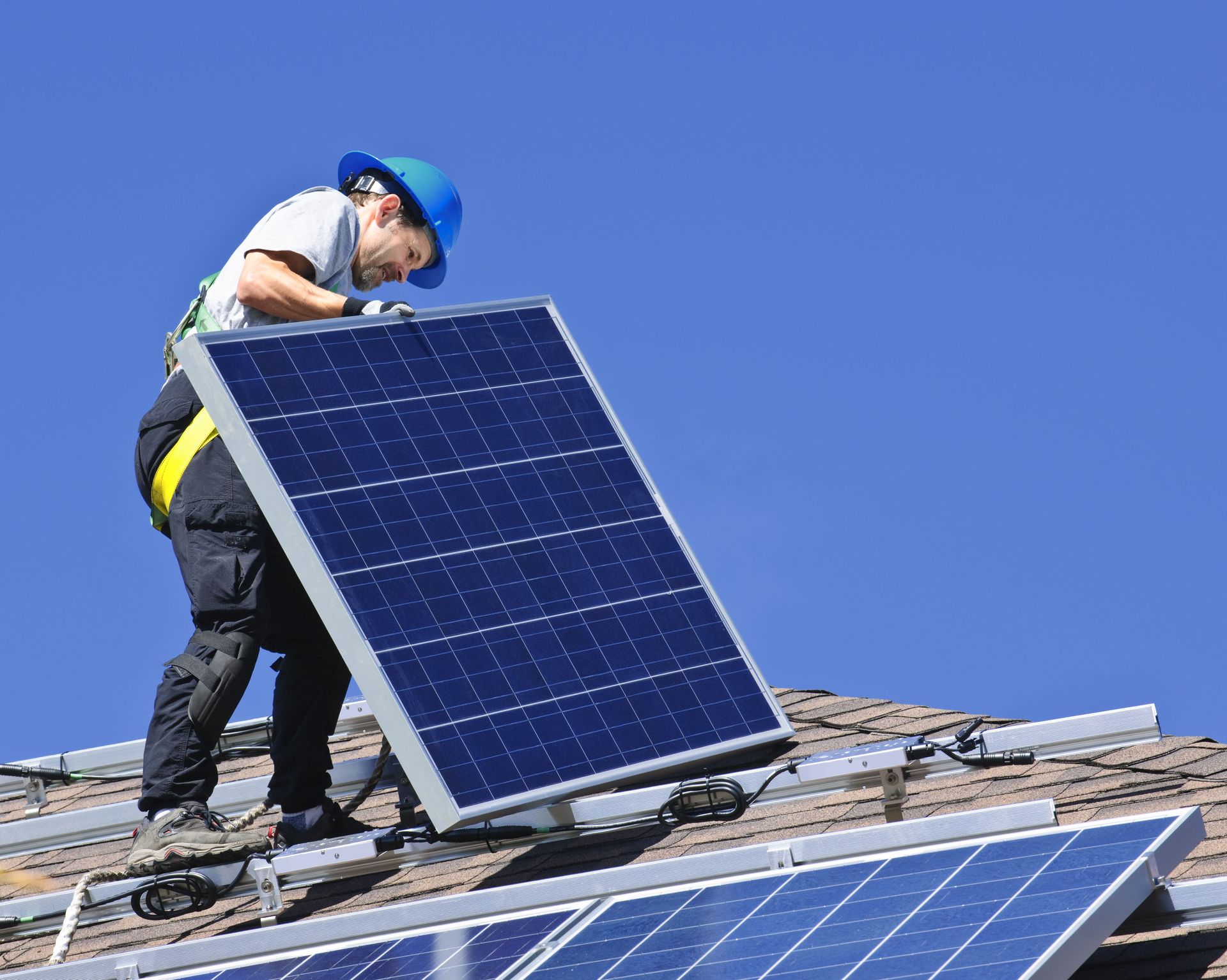
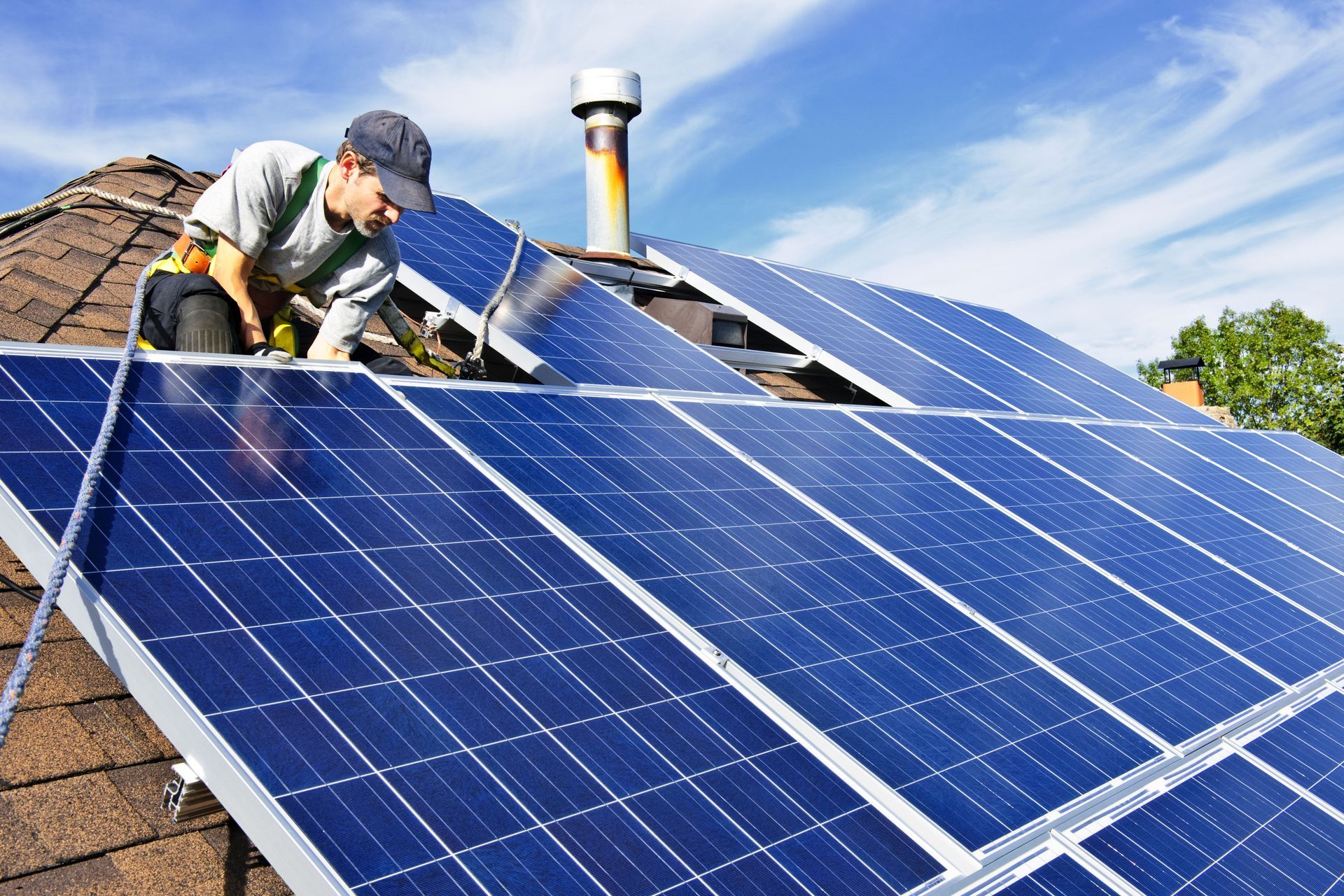
When professionals install solar panels for homes, they use specialized mounting hardware designed specifically for your roof type. Whether you have asphalt shingles, metal standing seam, or concrete tiles, there is an engineered solution available. Installers use heavy-duty flashing and industrial sealants to protect every penetration point. These mounting systems undergo rigorous testing to withstand high winds, heavy snow loads, and torrential rain.
Instead of causing damage, the equipment actually protects the portion of the roof it covers. The panels act as a shield against hail, debris, and harsh ultraviolet rays. If your roof is nearing the end of its lifespan, a reputable installer will advise you to replace it before moving forward. According to Gitnux, about one in four roofs will be integrated with solar by 2030 in the U.S. This massive adoption rate proves that installation methods are safe, reliable, and entirely compatible with modern home construction.
4. Solar Systems Require Constant, Costly Maintenance
Another common misconception is that generating your own power turns into an exhausting part-time job. People often envision themselves climbing tall ladders every weekend to scrub glass or constantly replacing broken parts. The reality is far less demanding for the average homeowner. These systems are incredibly durable and have very few moving parts. Without belts, gears, or motors to wear out, the chances of a mechanical failure are incredibly low.
For the most part, you can let the weather handle the cleaning. A good rainstorm is usually enough to wash away dust, pollen, and bird droppings. If you live in an especially dry or dusty climate, you might need to spray them with a garden hose a few times a year. Otherwise, the system quietly produces electricity day after day with zero intervention required on your end.
In the rare event that something does malfunction, you're protected. Warranties cover the physical integrity of the equipment and guarantee a certain level of performance over time. Additionally, your installer will typically offer a workmanship warranty to cover the labor. You can monitor your production through a simple smartphone app, giving you peace of mind without any heavy lifting.
Transitioning to clean energy is a smart move for your wallet and the environment. By dismantling these common myths, we hope you feel more confident about exploring your options. The technology is proven, the financial incentives are generous, and the installation process is safer than ever. Choosing solar panels for homes is an excellent way to gain energy independence while reducing your monthly expenses. Evaluating your current usage shows how renewable energy changes your financial outlook.
Don't let outdated information hold you back from making a beneficial upgrade. Take the time to gather quotes from reputable local installers and compare your financing options. Once you see the numbers tailored to your specific property, the decision usually becomes quite clear. Embrace the future of energy, protect your home against rising utility rates, and enjoy the long-term rewards of generating your own clean power.
If you're ready to explore your energy options, contact Remove and Replace Solar today to learn how a solar panel for homes can lower your monthly utility bill.